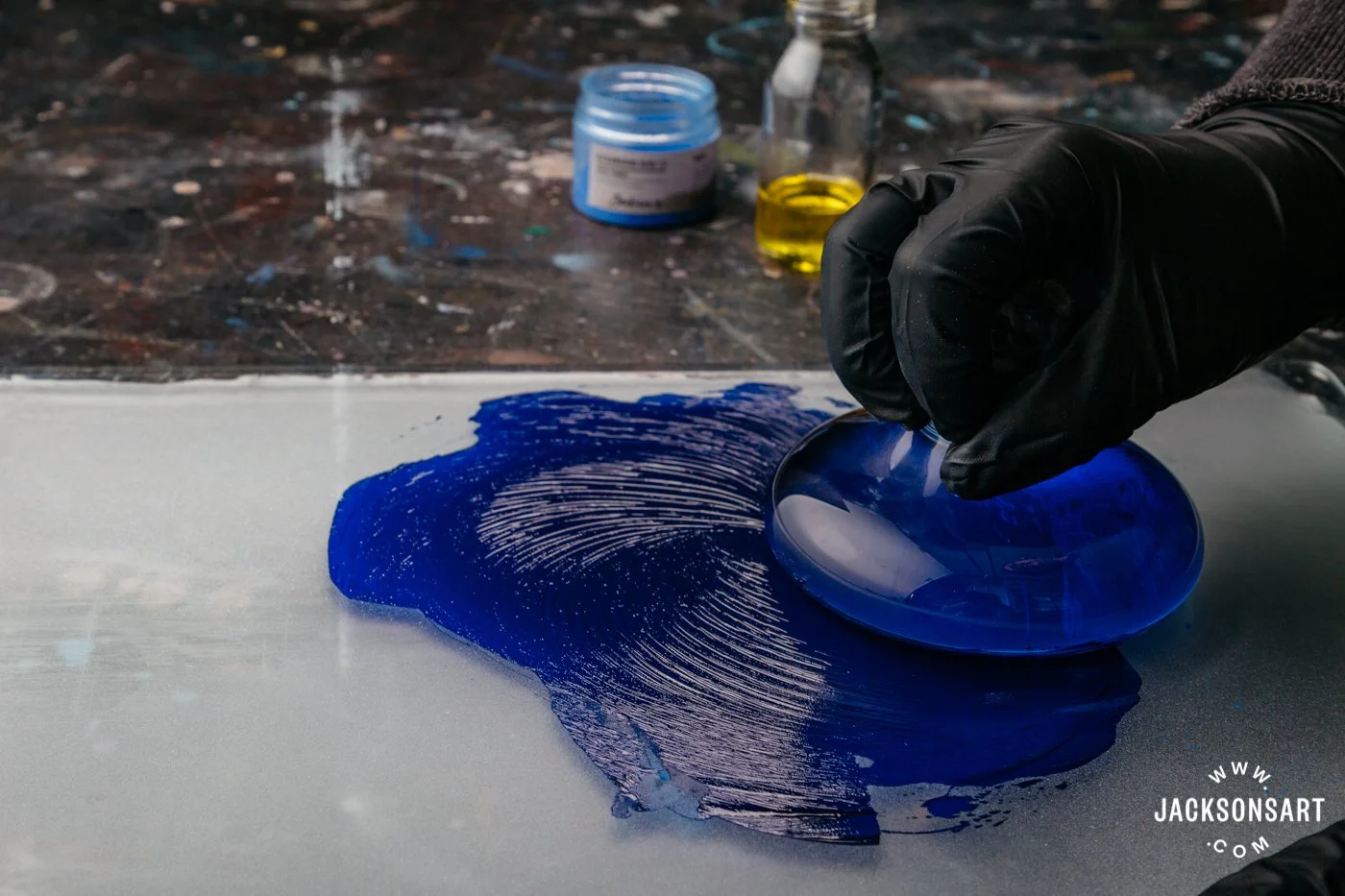
photo of grinding pigment into binder from Jacksons Art Blog
the elements of paint are Binder, Pigment, Solvent and Additives.
Today, we’ll be looking at binders.
The binder of a paint is the adhesive that allows a pigment, or paint color, to stick to a surface. Historically, binders were derived from plants and animals, but modern industry has brought us a wild variety of chemically engineered binders as well.
Oil Based
These products vary depending on the profession they are manufactured for, but all have one thing in common: They cannot be cleaned up or thinned down with water. Either a solvent or oil is needed.
Linseed Oil
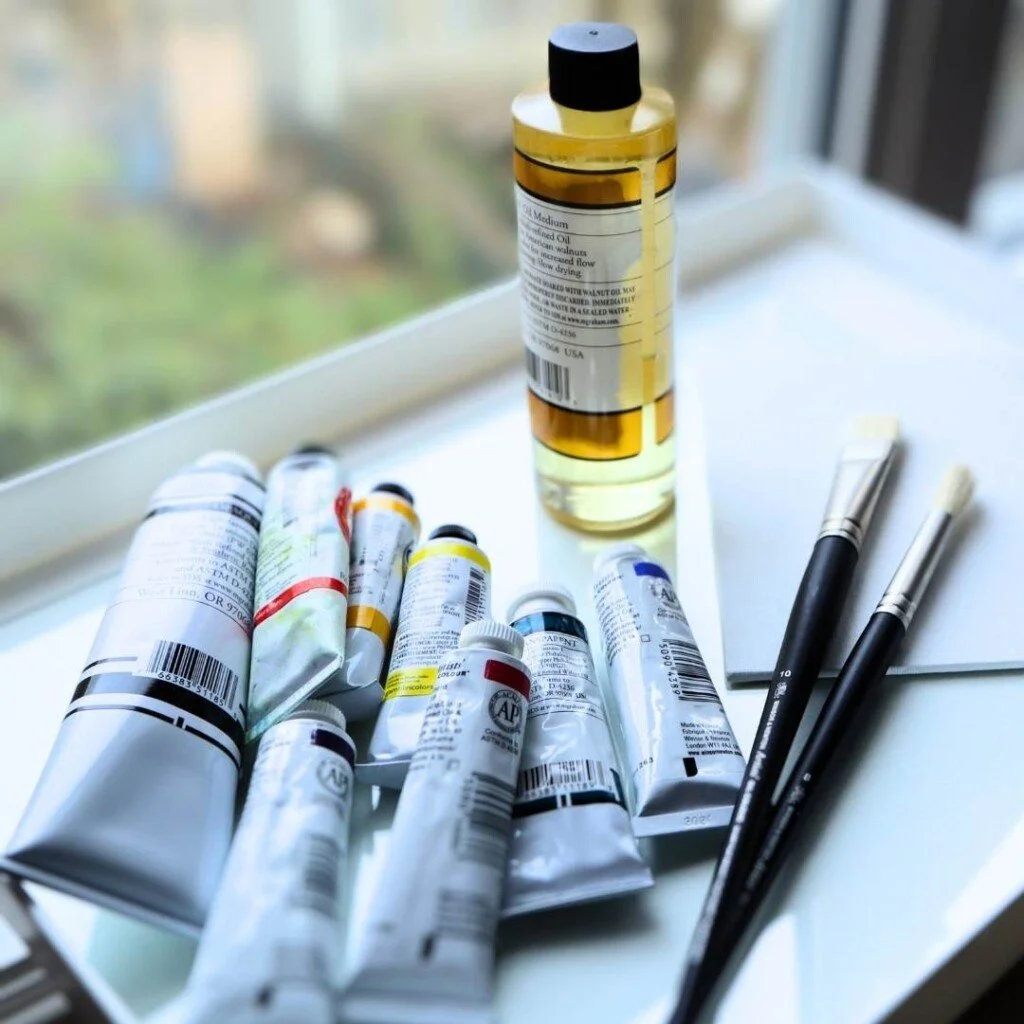
This is the traditional drying oil used to bind Artist Grade oil paints. It cures very slowly and once dry, is glossy and permanent.
Oil Modified Alkyd Resin
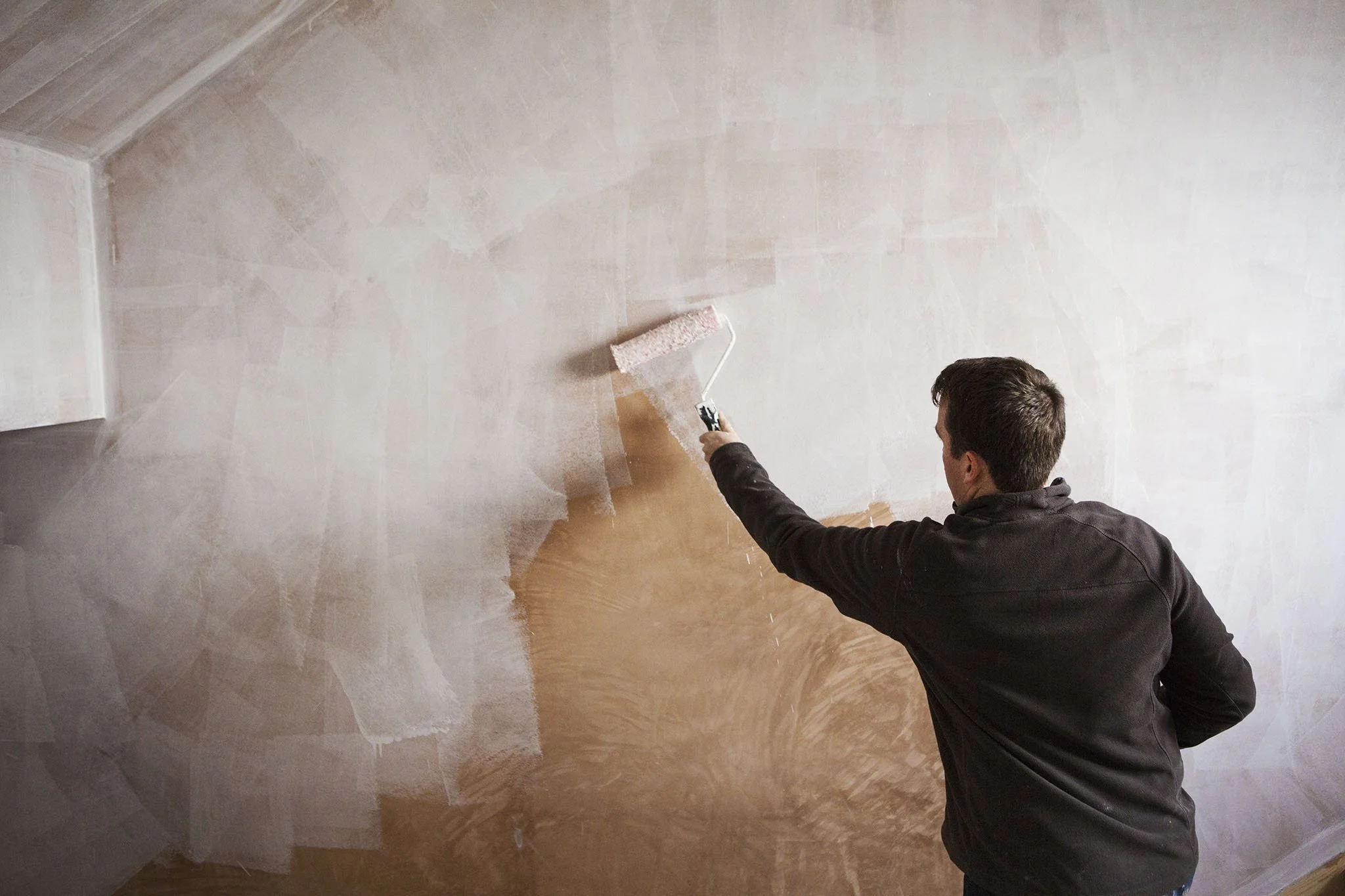
A mouthful— and the typical binder for oil based box store coatings. This includes cans of oil enamels as well as spray paint. This binder is actually a plastic binder modified with oil to give it desirable flow and durability. They dry hard, and self level, allowing for brushed on finishes to look as seamless as spraying.
Plastic based
It’s tough to put easy labels on the specifics of plastic based binders. They are all chemically derived from petroleum, and are all able to be thinned and cleaned up with water while wet. Once dry, they are fairly water resistant. Typically these binders are milky or cloudy when wet and dry clear. This means the paints they hold together look lighter when wet and dry darker.
Acrylic Polymer
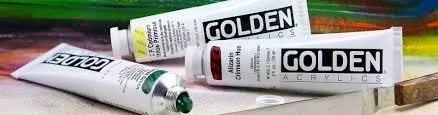
This is a super durable plastic used in artist paints as well as some scenic artist ones. It is glossy and permanent. When companies sell “Acrylic Medium” or “Extender” it’s usually their binder.
Waterborne Alkyd
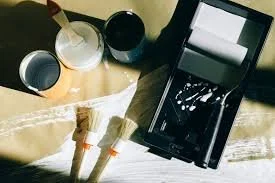
The less toxic alternative to Oil-Based Alkyds. It uses the same technology and has the same applications, but with far fewer VOC’s and a much easier cleanup. These types of paints are more premium.
Latex

This is the general name for water based house paint. The binder used to be made from rubber (from rubber trees), but now is a synthetic emulsion polymer which is very similar to the other acrylic binders, but has a lower concentration of acrylic polymers making it easier to apply and clean up, but also slower to dry and more susceptible to chipping and peeling.
Vinyl Acetate Copolymer
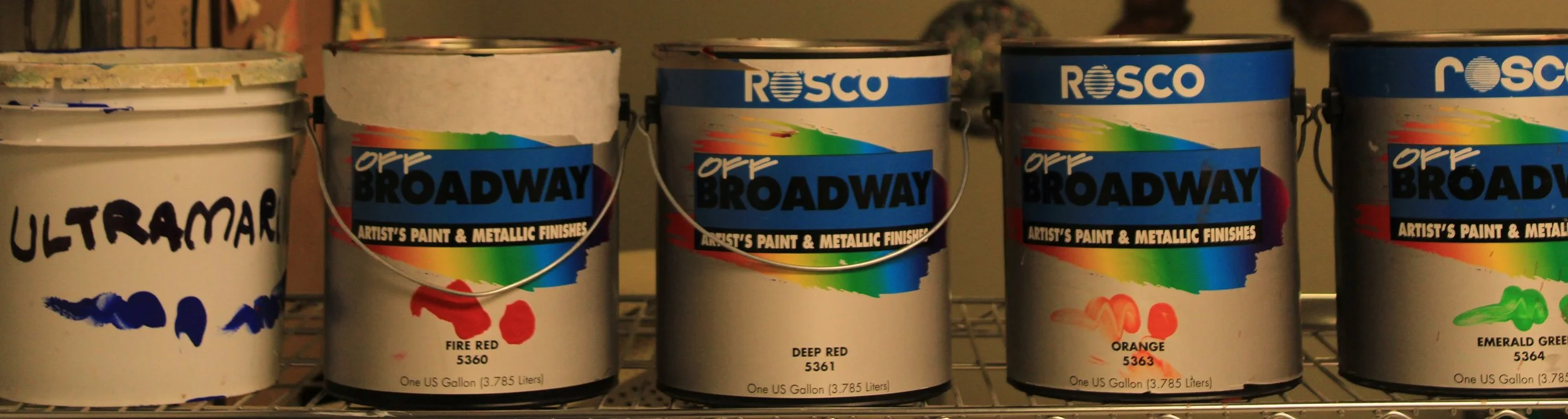
The typical Binder in a can of Rosco Off Broadway paint, it can also be purchased on it’s own as Rosco Clear Acrylic. It’s durable and—without Rosco’s usual additives—quite glossy.
PVA Glue
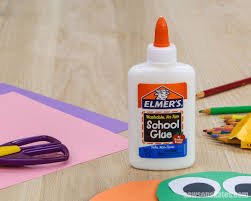
Elmer’s glue and Mod Podge are technically binders! All glue can be, with varied degrees of success. Polyvinyl Acrylate is the cousin of Vinyl Acetate Copolymer and Acrylic Polymer. Its potency varies by brand, with Elmer’s School Glue being among the weakest and Rosco’s FlexBond being among the strongest.
Animal Byproducts
Hide Glue
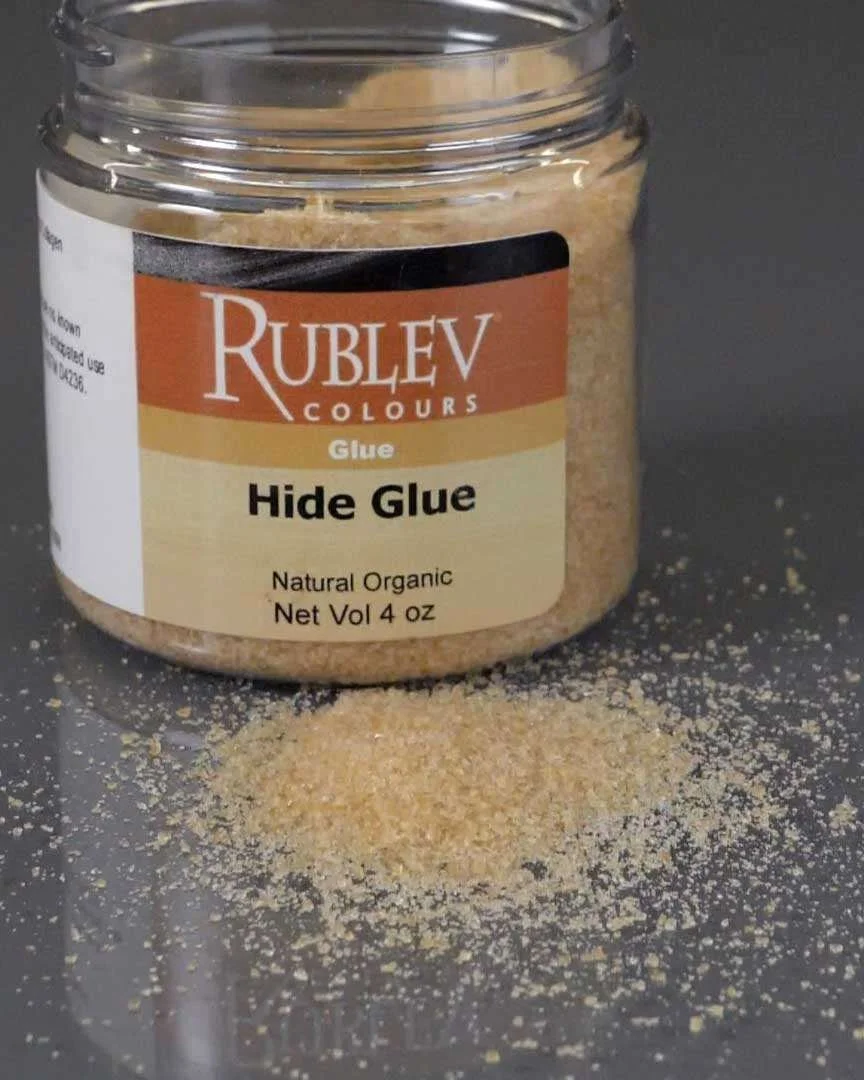
Hide glue is one of the binders used for distemper paint. It is derived from the hide of animals as a byproduct of the meat industry. Hide Glue comes in different bloom strengths that affect the flexibility, for paint, a lower bloom strength is better. It is reversible; it can always be rewetted.
Casein
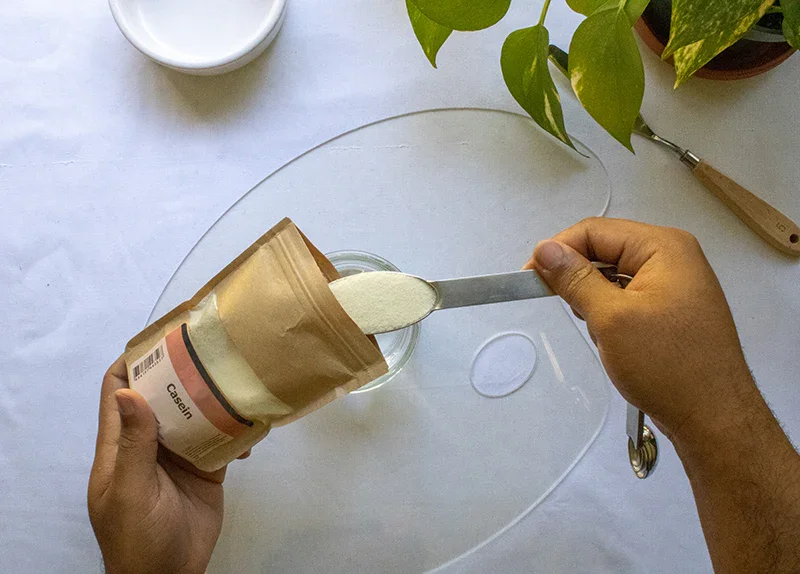
Casein is a milk protein that can make a lovely matte finish paint. It is used in addition to Borax as the binder in some distemper paint recipes. While Rosco used to carry a line of Casein paints, they were overshadowed by the acrylic off broadway and supersaturated lines. Casein paints are reversible and cannot be scrubbed with water. Some shops use these paints on stock flats and wash the paint off after a show is done so they can be repainted without too much build up. Historically, when this paint spoils, it is a monumentous stink.
Other Natural Binders
Gum Arabic
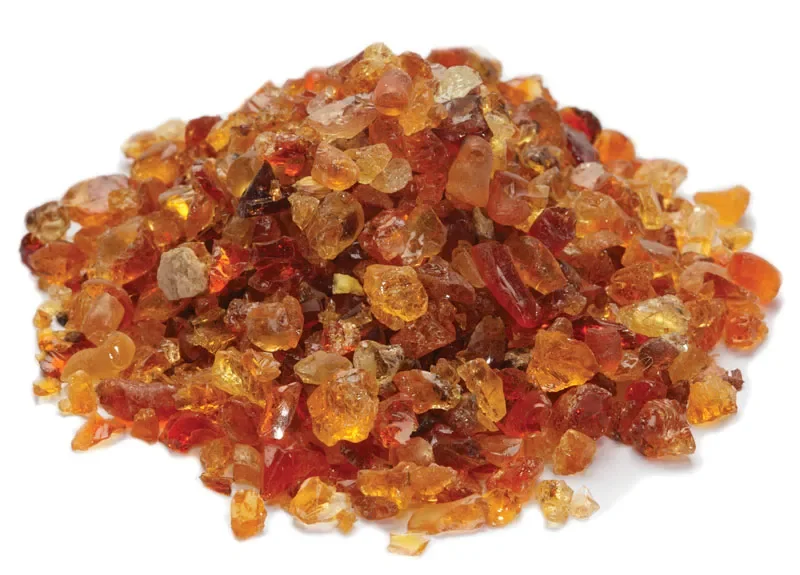
This is the sap from Acacia trees found in Africa, particularly Sudan. It is the primary binder in watercolors and is reversible; it can always be rewetted. It is typically sold in chunks or powder, but can be found premixed as a liquid.
Dammar Resin
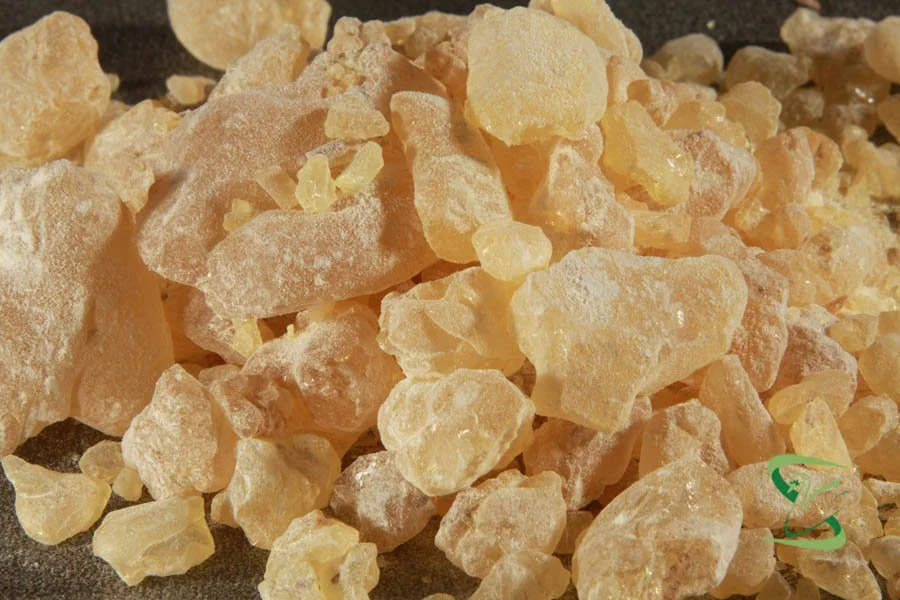
This sap is tapped from the Dipterocarpaceae family of trees in East Asia, particularly India. It can be a varnish on it’s own when dissolved in solvent, but is also the binder in encaustic painting, helping the wax to harden and withstand higher temperatures.
Methyl Cellulose
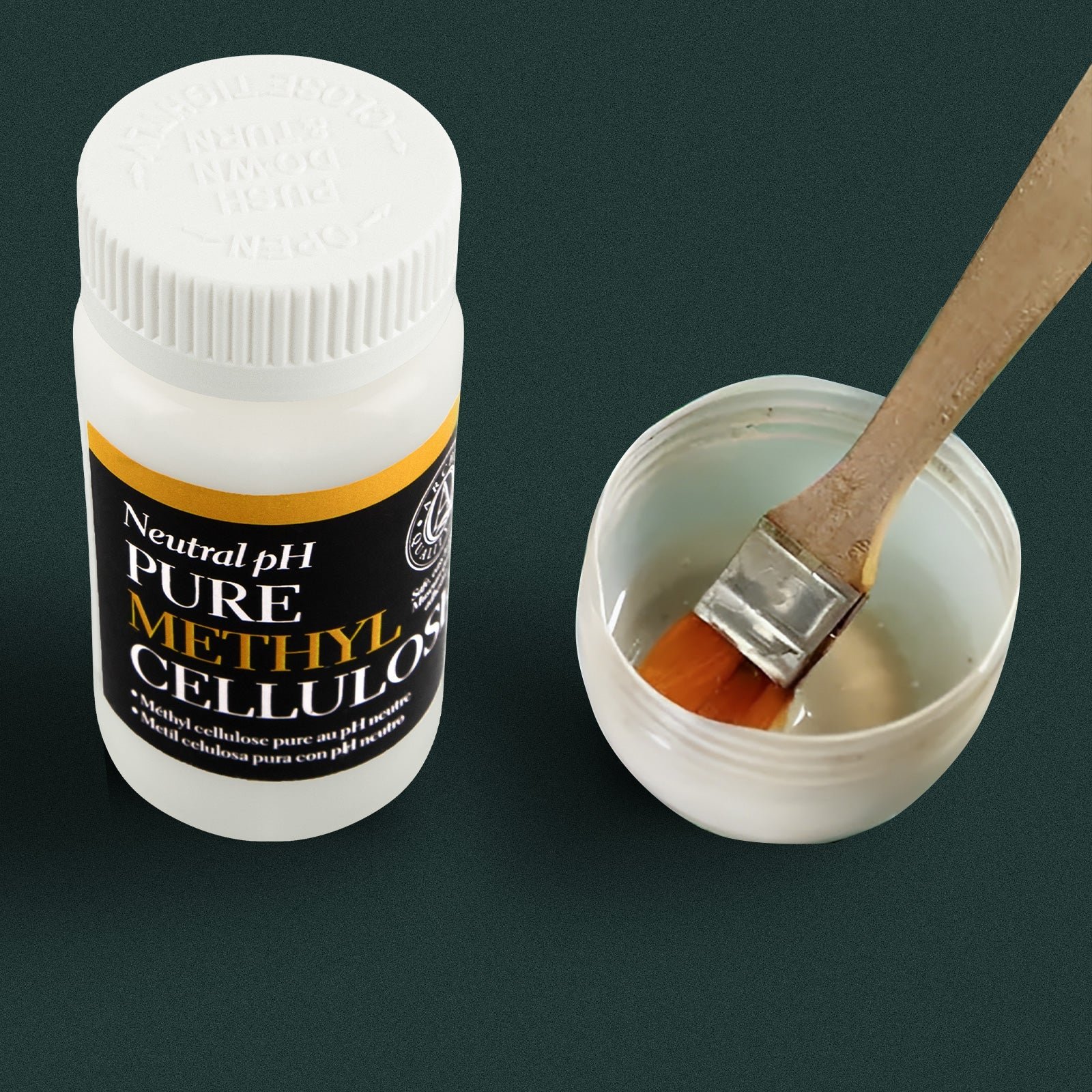
This archival glue is chemically derived from wood or cotton. It is not a common paint binder, but is sometimes used as a vegan alternative to hide glue or casein in distemper paints, especially when supplemented with acrylic binder. It is reversible and matte.