Research and Sampling: Stained Glass
Stained glass is a very exciting treatment for a scenic artist, especially if you’re a charge and get to problem solve the process. In this article I’ll be exploring the history and real world processes of stained glass, detailing the special considerations for theatrical settings and taking at look at examples of theatrical stained glass. At the end of the article, I’ll detail my own efforts in recreating this gorgeous treatment (an ongoing project).
Chartres Cathedral, France. Photo from Wikimedia Commons/MOSSOT
I think it’s very important to have a working knowledge of whatever you are adapting for the stage. For stained glass, it’s likely there will be people in the audience who are very familiar with it— maybe people who go to pretty churches, or hobbyists making small panels. If you work to impress them, everyone will benefit. Like excellent lighting design, the less people are noticing the brushstrokes, the better the scenic painting is.
Real Stained Glass
General Terms
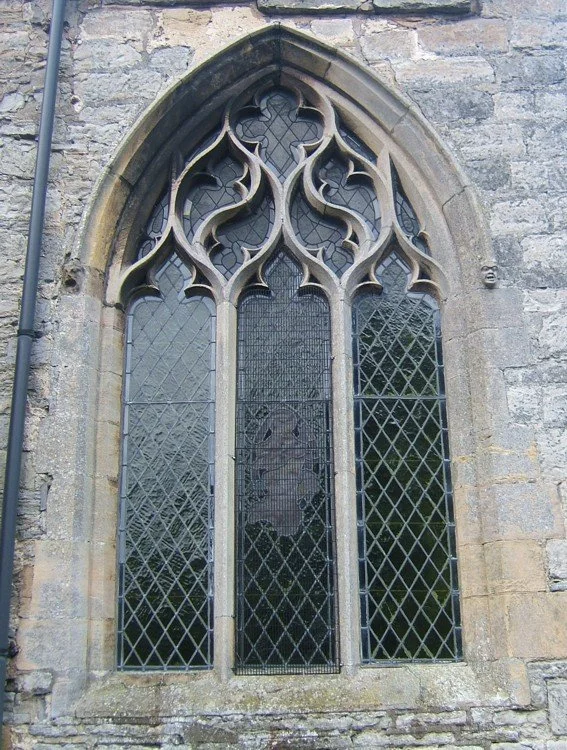
“Cathedral Glass”— see through colored glass
Transparent , colored glass
Machine made with double rollers to uniform 1/8” thickness
Either Smooth or variously textured, with textured sides facing indoors to prevent buildup of dirt.
Loses lines and tones without backlighting.
The name is a bit misleading, it is not the only glass used in cathedrals.


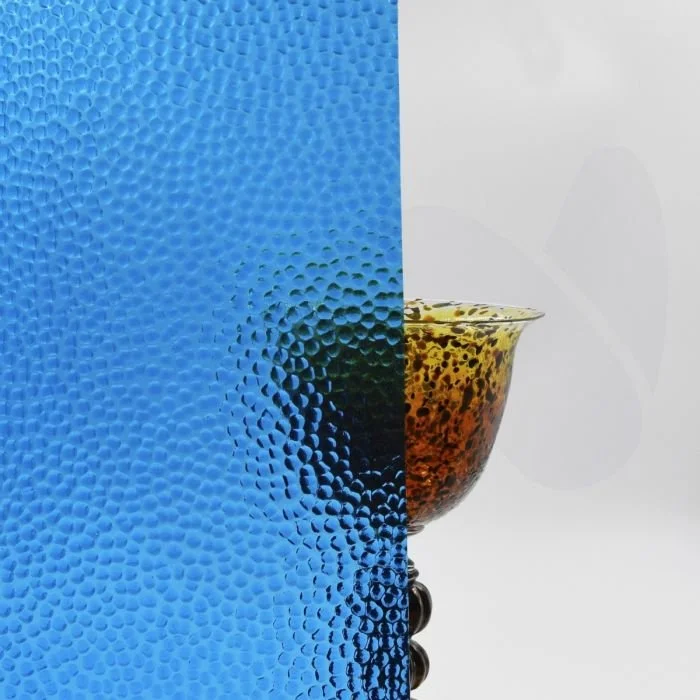
Opalescent Glass—a milky glass of mixed streaky colors.
developed in the late 19th century by John LaFarge and Louis C. Tiffany.
made by ladling molten glass onto a table and then into a roller.
doesn’t lose its lines and tones with the disappearance of backlighting.


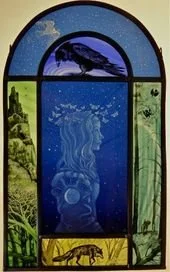
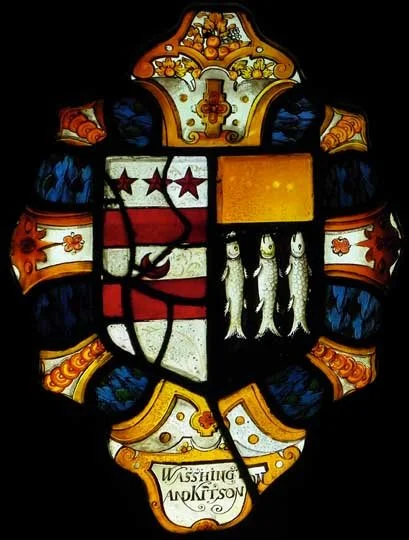
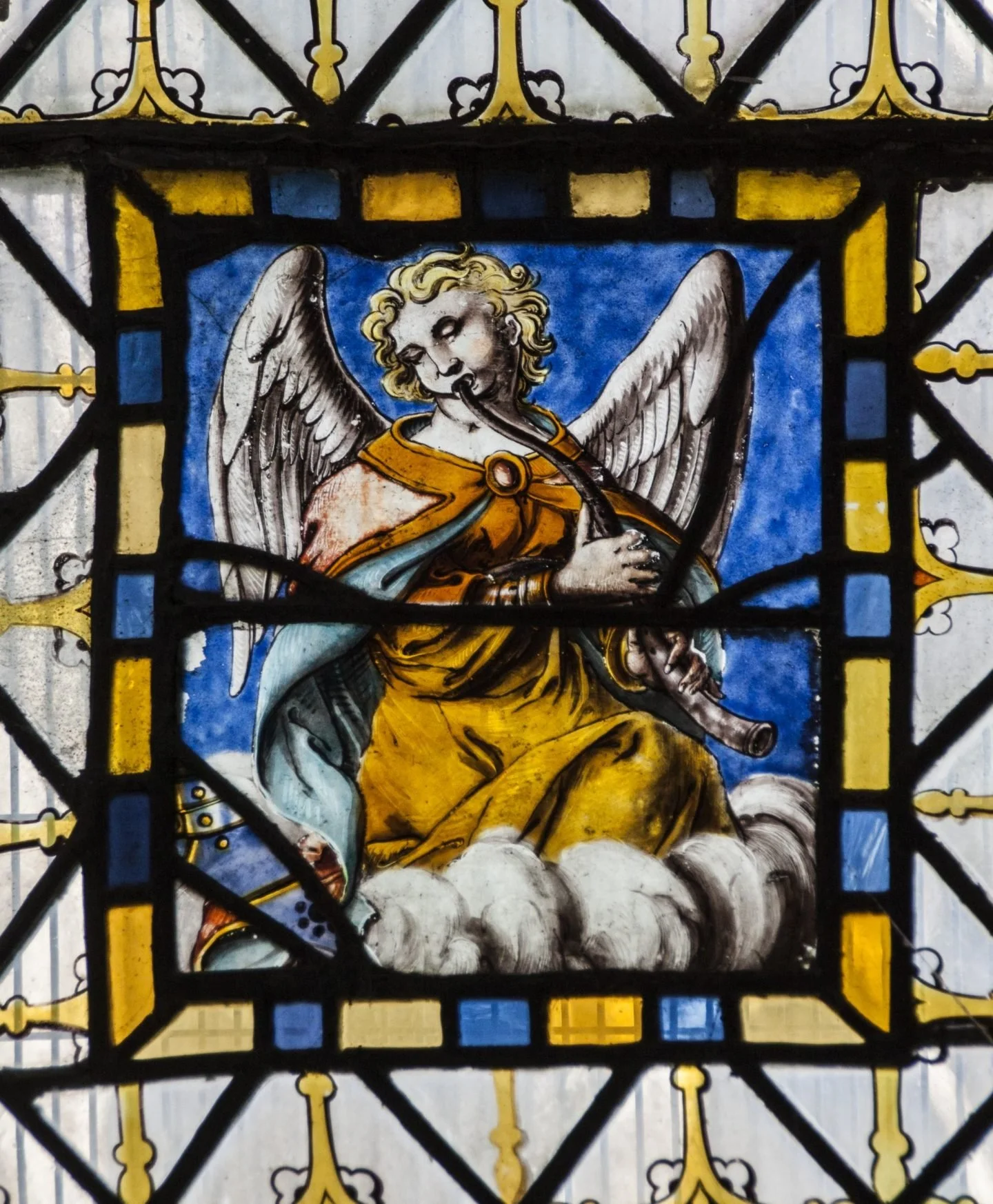
Enamel Painted Glass
16th century development
ground glass and oxides mixed with a medium and painted onto glass
kiln fired for fusion with glass panel.

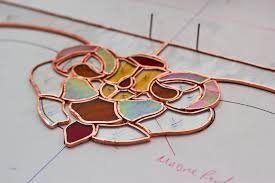
Lead Came
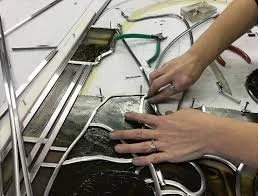
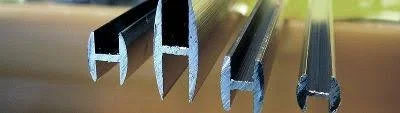
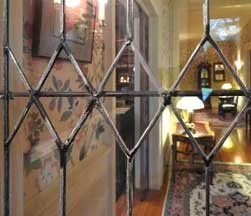
a slender, grooved lead bar used to hold together the panes in stained glass or latticed windows.
Extruded pure lead that is milled to specific dimensions as either “U” or “H” shaped strips, then cut and formed to accept and hold the stained glass shape.
Later, zinc, copper, brass, etc. were substituted for the lead.
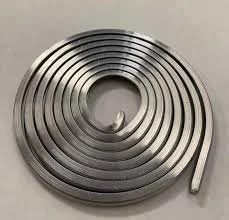
Solder
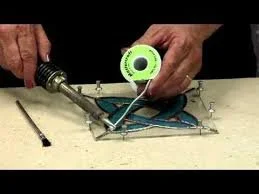
Meltable metal used to fuse seams on stained glass panels
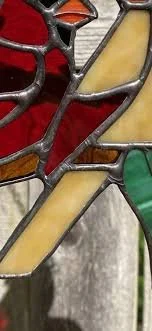
Can be used to connect lengths of lead came for large windows or applied over copper foil on entire pieces of small stained glass pieces.
has a rounded appearance
On Lead came, must be sealed with cement.
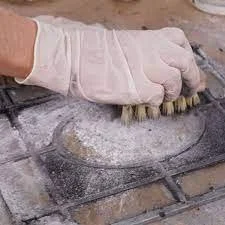
Typically polished and stained for desired look.
History
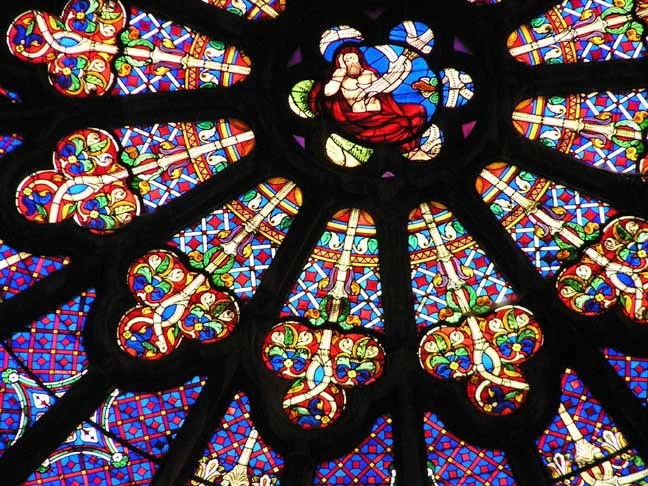
Gothic- “Stained and Painted” (13th-14th centuries europe)
Colored glass, known as “metal” was made by adding metallic oxides to melted glass. This process was called “pot-metal”
Cobalt gave blue
copper, green
iron, red
gold, cranberry
silver, yellows
brick, red.
molten glass was blown and shaped into sheets
blues and reds made this way were too dark to transmit much light, so they developed “flashing” where a thin layer of colored glass was applied to a sheet of white glass.
after the glass was cut and patterned, they would be painted with black pigment to make the faces, fabric folds and inscriptions. This pigment would be baked onto the glass in a kiln making it permanent.
In this method, lead lines are used artistically and are very obvious. The iconography is always going to be religious.
19th Century Gothic Revival or Neo-Gothic, 1830-1890 UK and US. Then again around 1910 into the 60’s

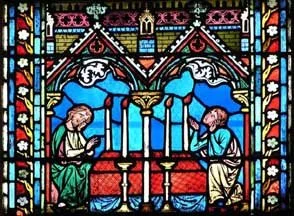
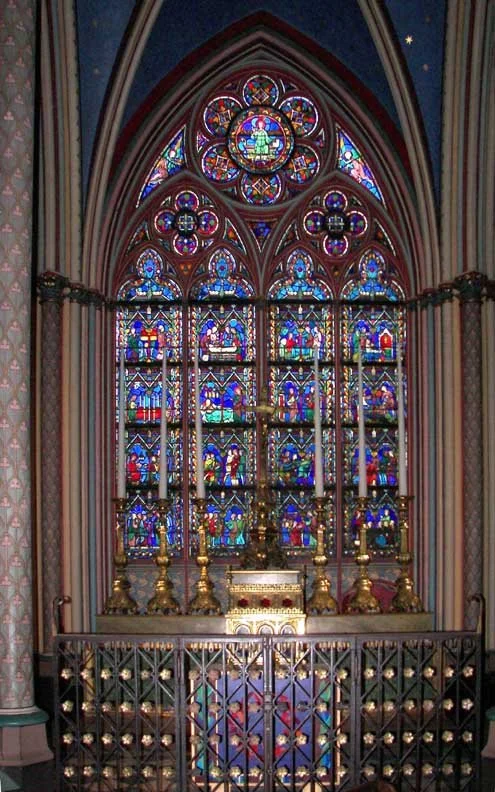
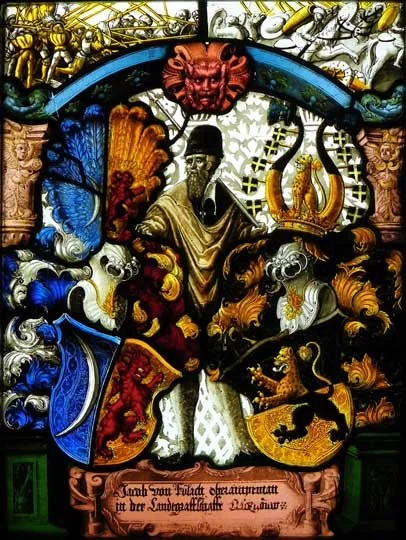
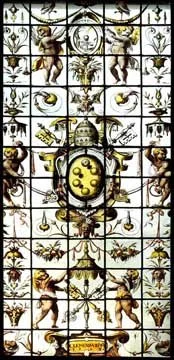
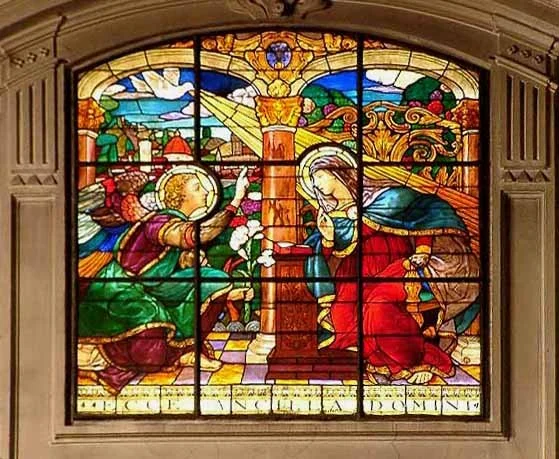
Renaissance and Reformation Stained Glass Windows (15th-16th centuries)
Introducing: three dimensional perspective.
realism is the main focus now, with windows being designed by painters and sculptors unfamiliar with the role of lead in glass designs. They felt leaded compositions were too crude for “modern styles”. Now we see white glass being used as a canvas for detailed paintings that ignore mullions.
Saw the development of colored enamels, soft powdered colored glass mixed with a medium and painted onto the glass with a brush. When the medium is dry, the glass is placed in a kiln for firing.
Scenes are increasingly secular

Art Nouveau Stained Glass (1880-1910)
origins in the British arts and Crafts movement, which had origins in the Aesthetic Movement.
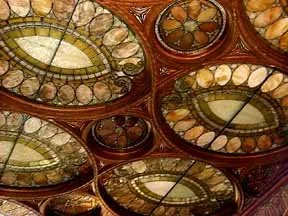
Opalescent Glass is standard. Louis C. Tiffany’s work being the US’s only origional contribution to the Art Nouveau movement.
inspired by Japanese art. Organic forms, sensuous curving lines, vibrant iridescence and a general feeling of lightness are general hallmarks.
Abstract painting done by laying molten glass together to form desired look.

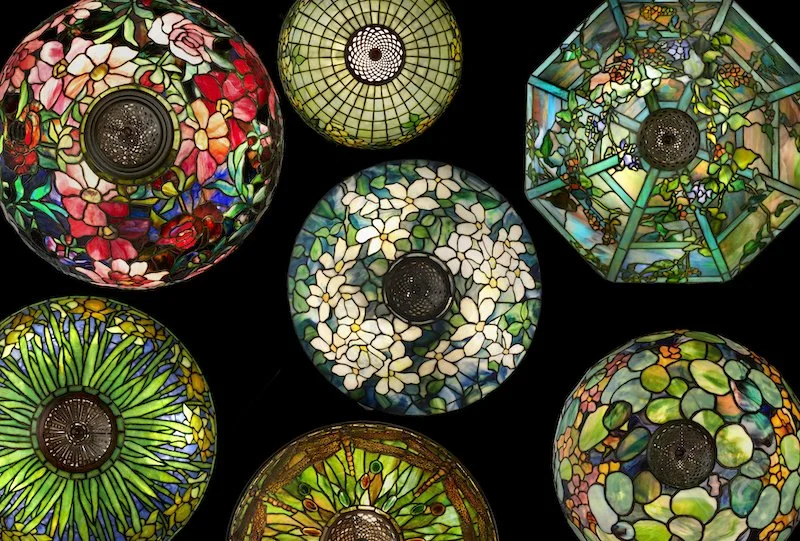
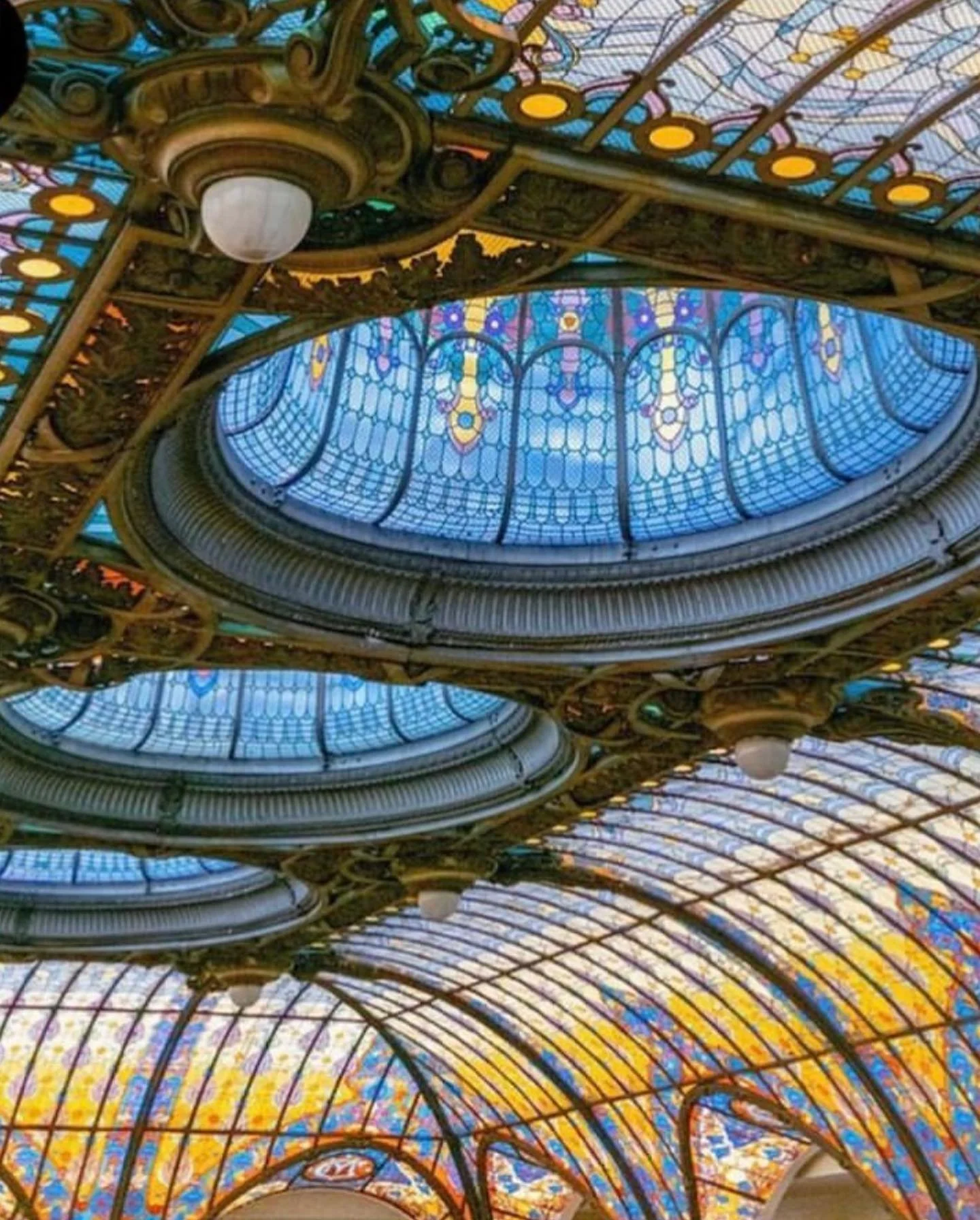
Modern Interpretations
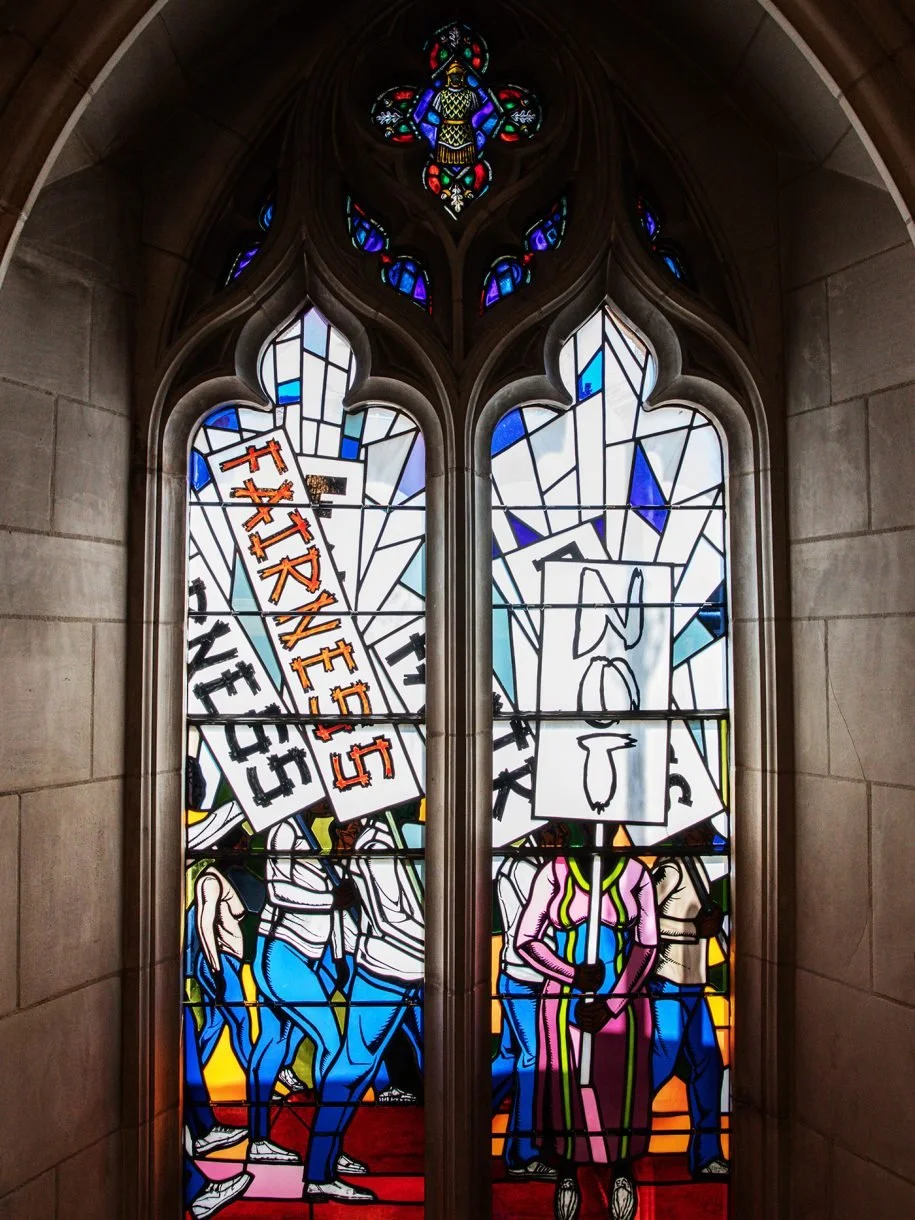
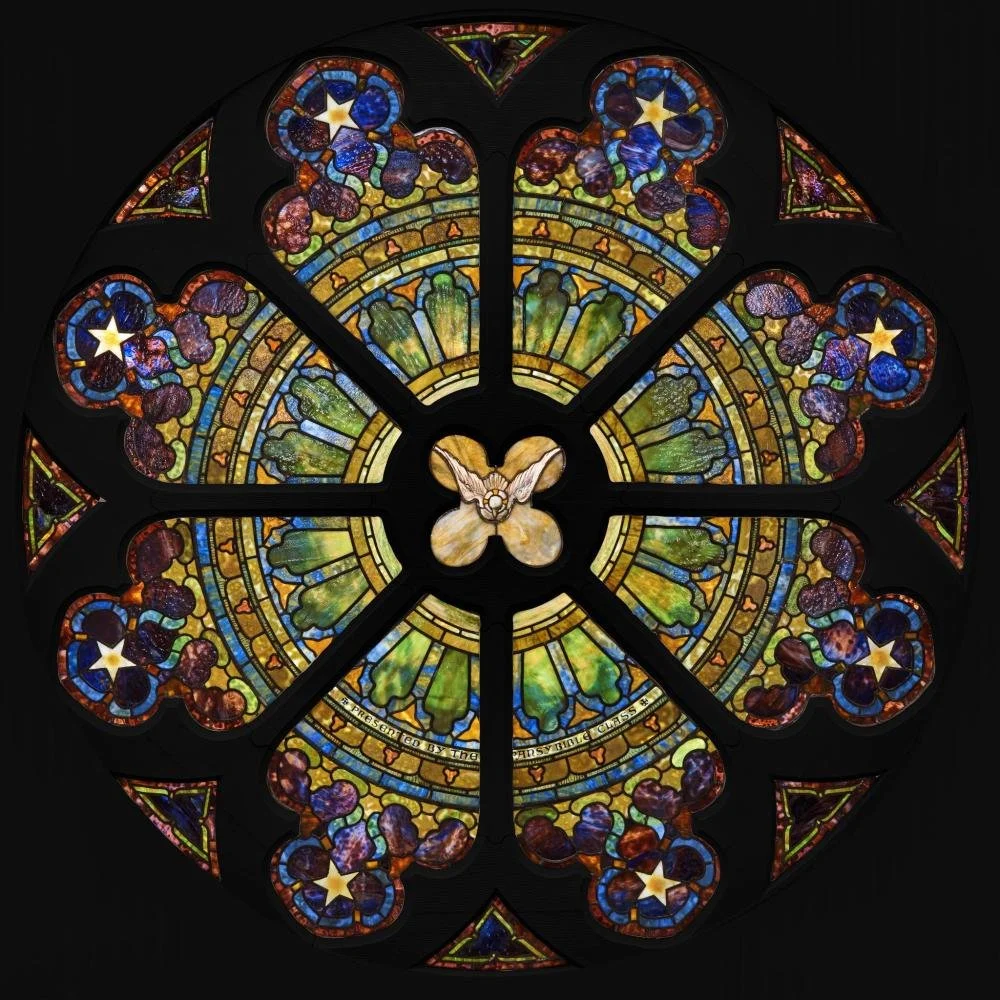
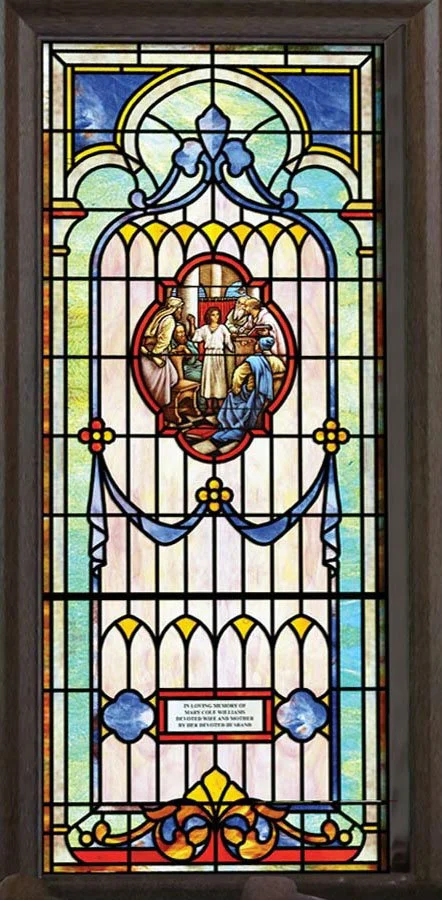
Chapel Windows
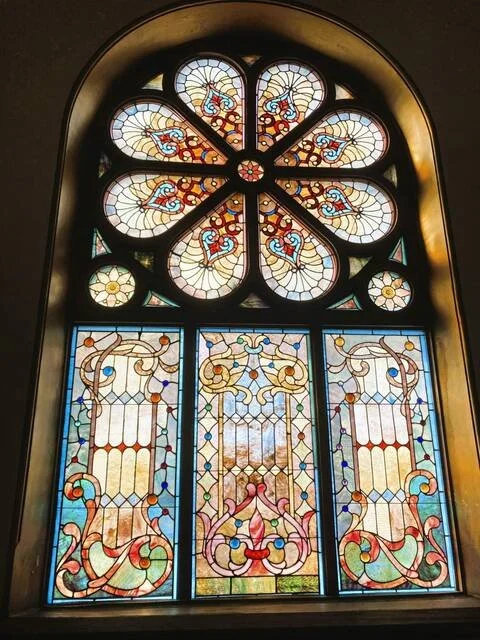
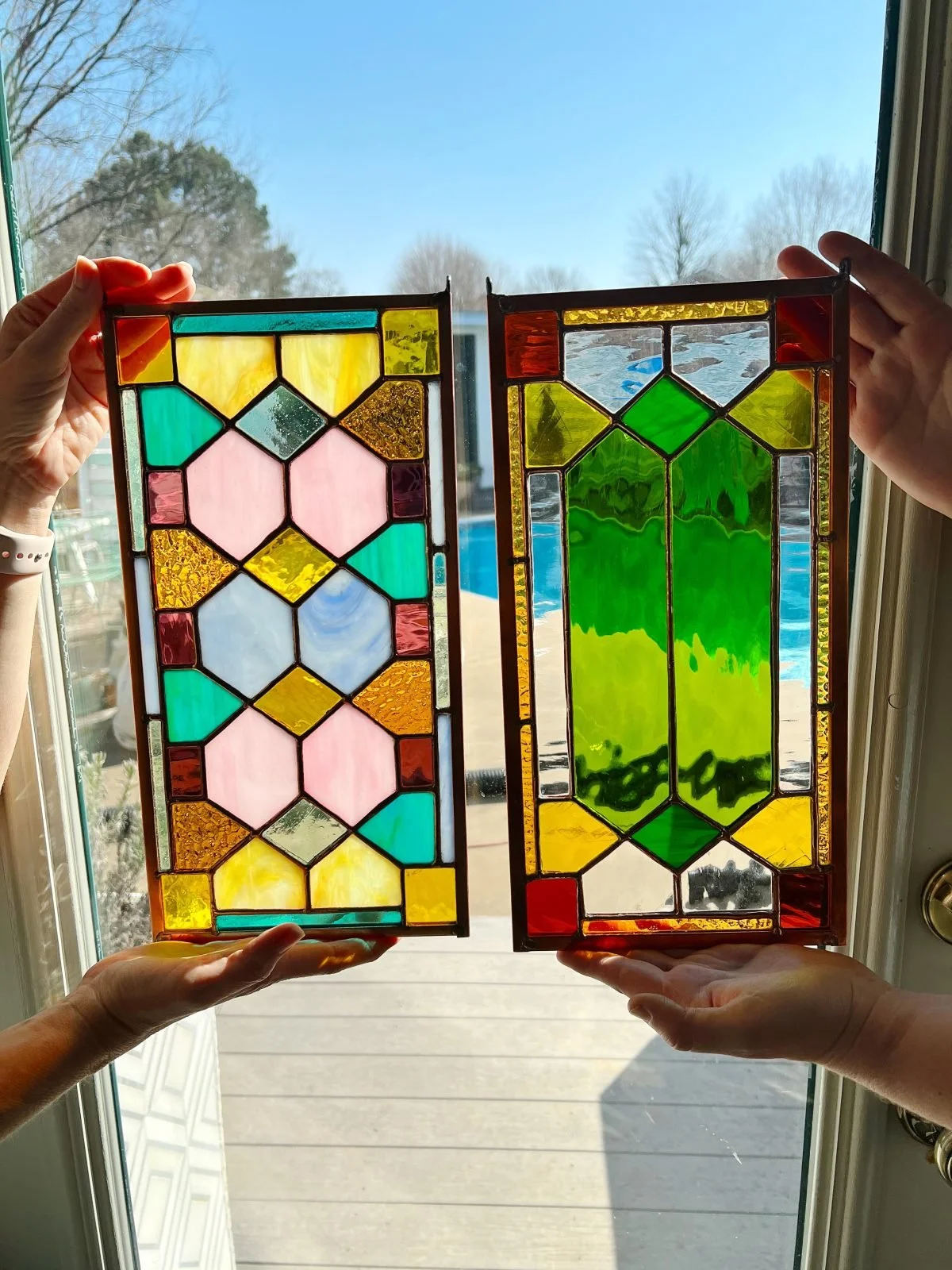
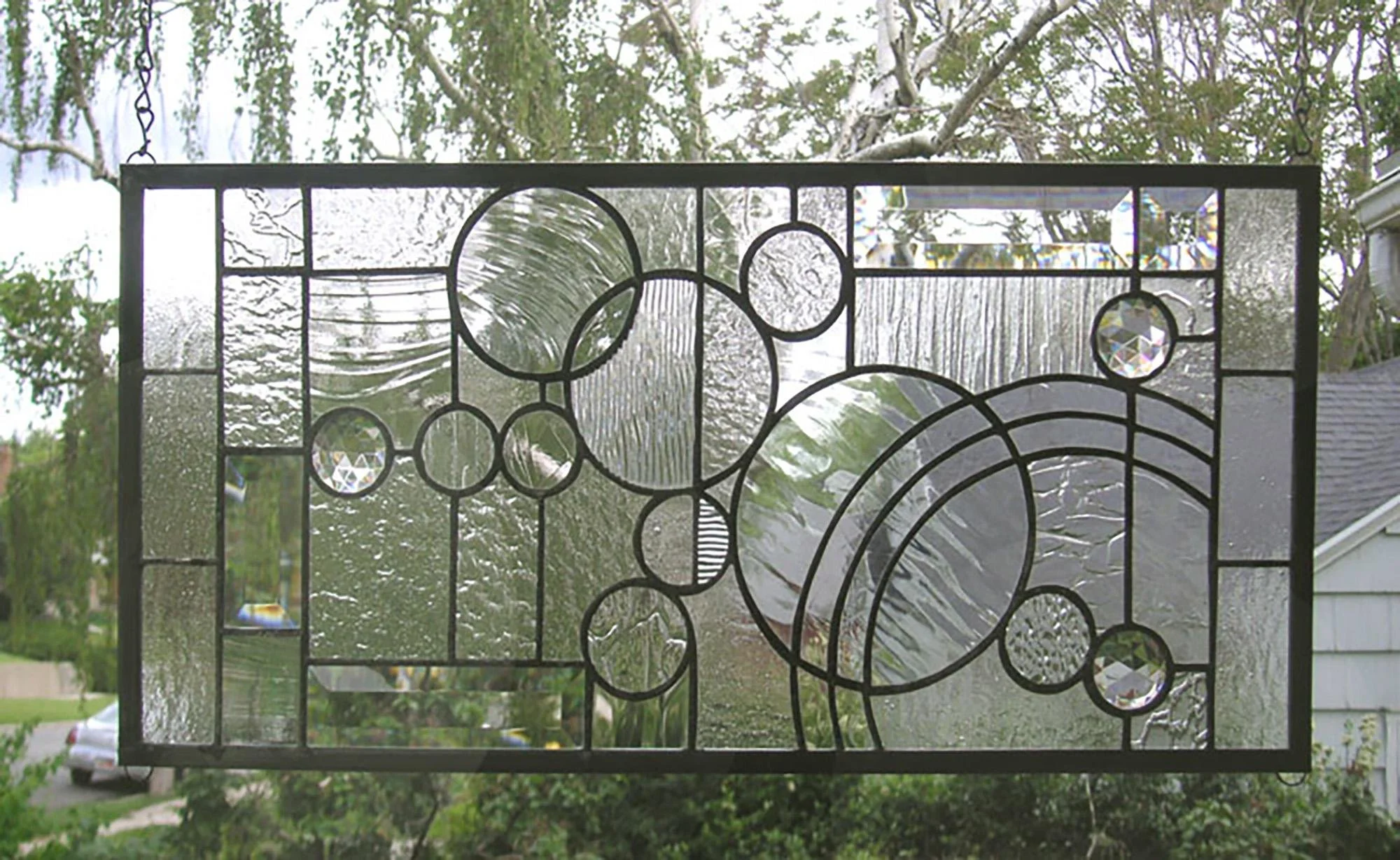
Small Panels
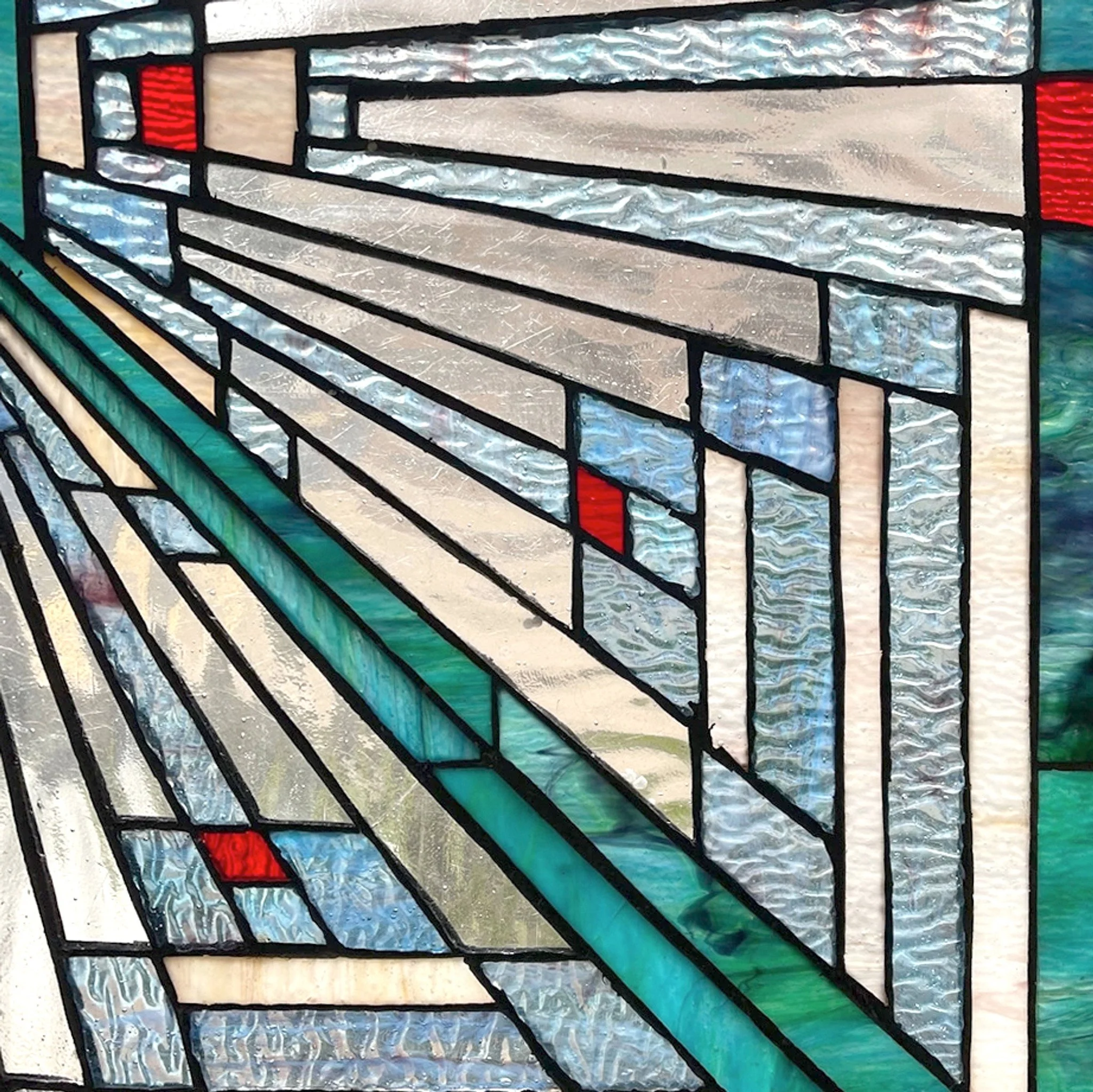
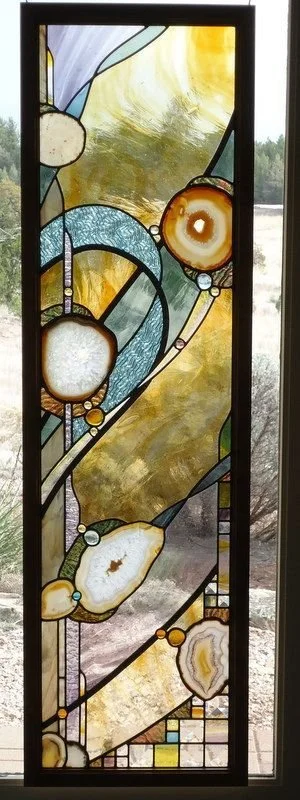
Faux Stained Glass
The considerations
Stained glass is beautiful because of how it plays with light. The following should be considered in deciding how best to make your “glass” collaborate with stage lighting.
Texture
Stained Glass is not perfectly smooth, it typically has soft ridges.
Color is not typically uniform, especially in opalescent glass.
There should be some weathering texture in crevices for realism.
Sheen
A semi-gloss finish on the glass contrasted with the “flat” finish achieved with a matte sealer on the leading.
strategic knocking down of the sheen for weathered realism.
Opacity
Depends on type of glass
color used wants to be transparent to avoid opaquing the glass too much.
transparent hue scumbled with white for opalescent
transparent hue and clear texture to disperse light on clear glass.
Broad Material suggestions
Muslin: classic, readily available, can be made into a translucent drop.
Plastic
Low Budget: Vinyl Heavy-duty clear plastic sheeting or even just a shower curtain
High Budget: Plexiglass
Color
Rosco Supersaturated Paint: opaque but able to be diluted quite a bit.
Dye or Alcohol Ink: transparent and easier to build clear diffused light.
Dimensional Texture
CrystalGel is great for diffusion but very expensive. It can also be watered down to achieve a more subtle soft ribbing for the final texture
On a tight budget, PVA glue could be used.
Sealant
Rosco Clear Acrylic is a great, cheap glossy seal
polyurethane in your brand of choice will of course be more durable.
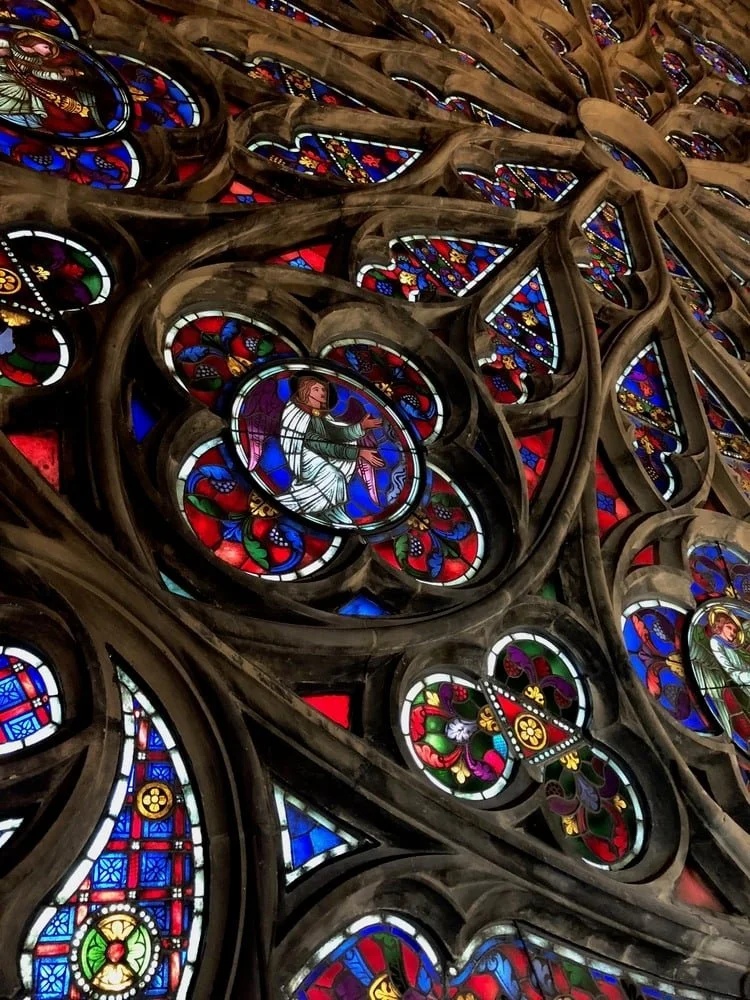
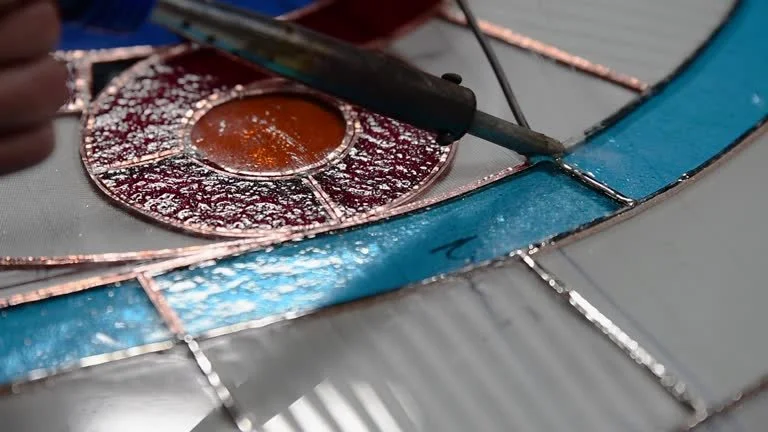
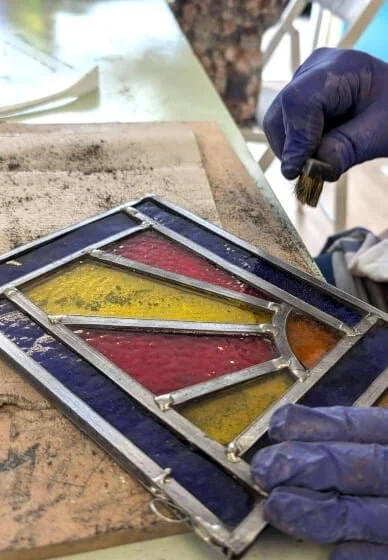
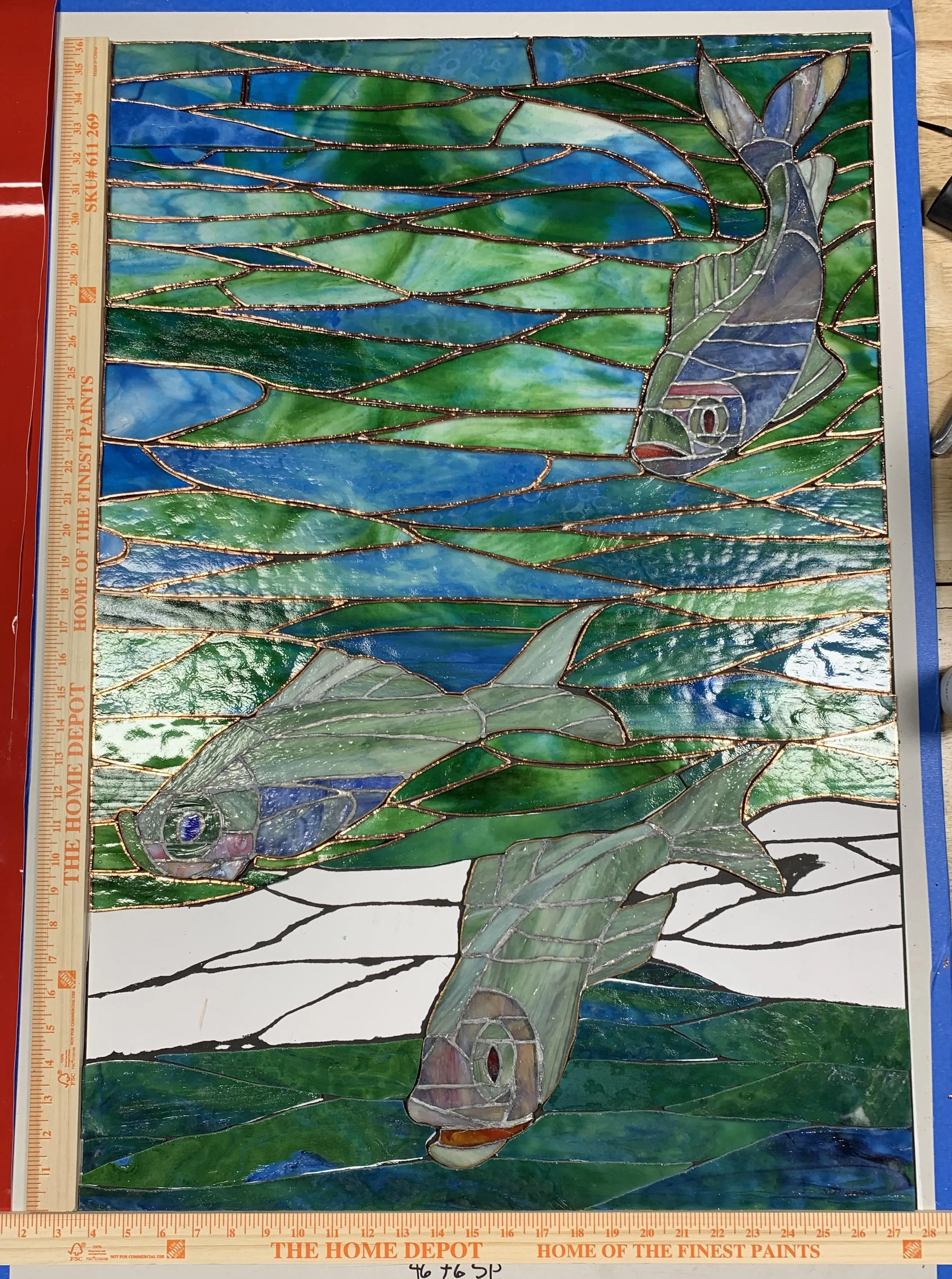
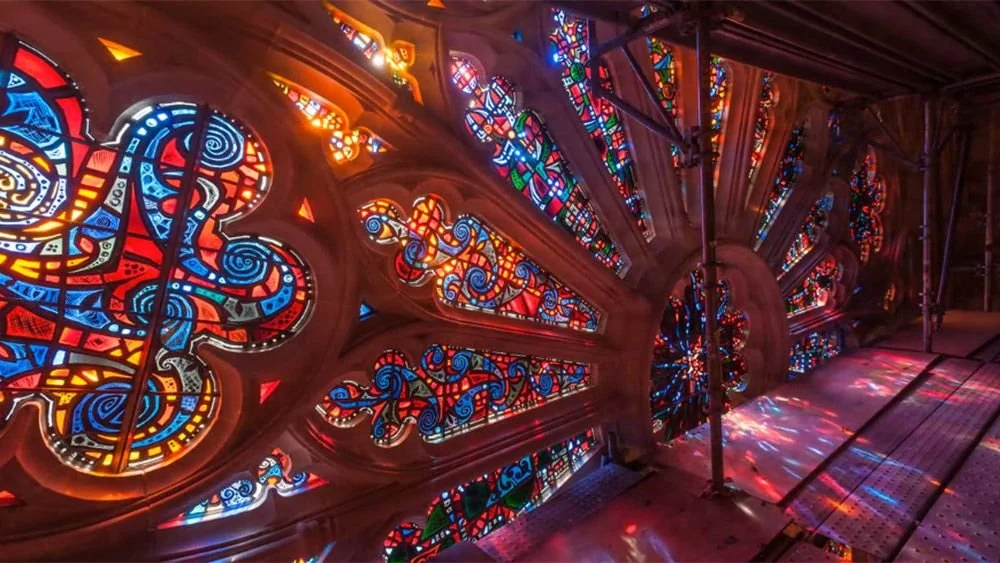
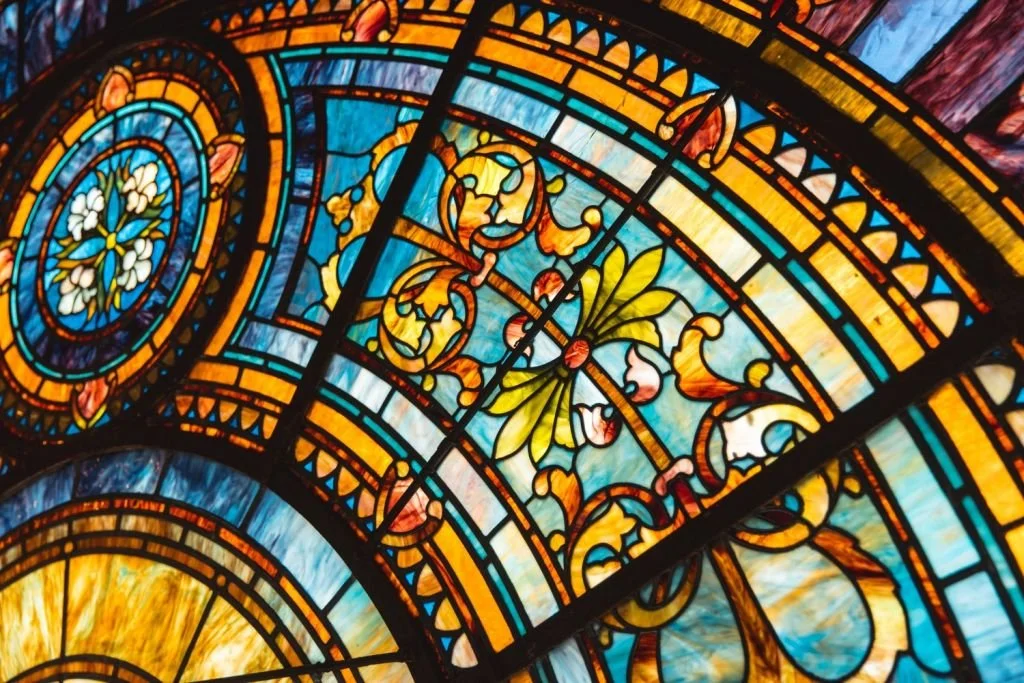
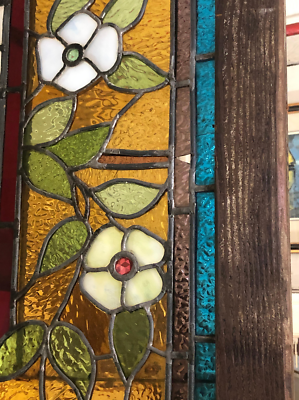
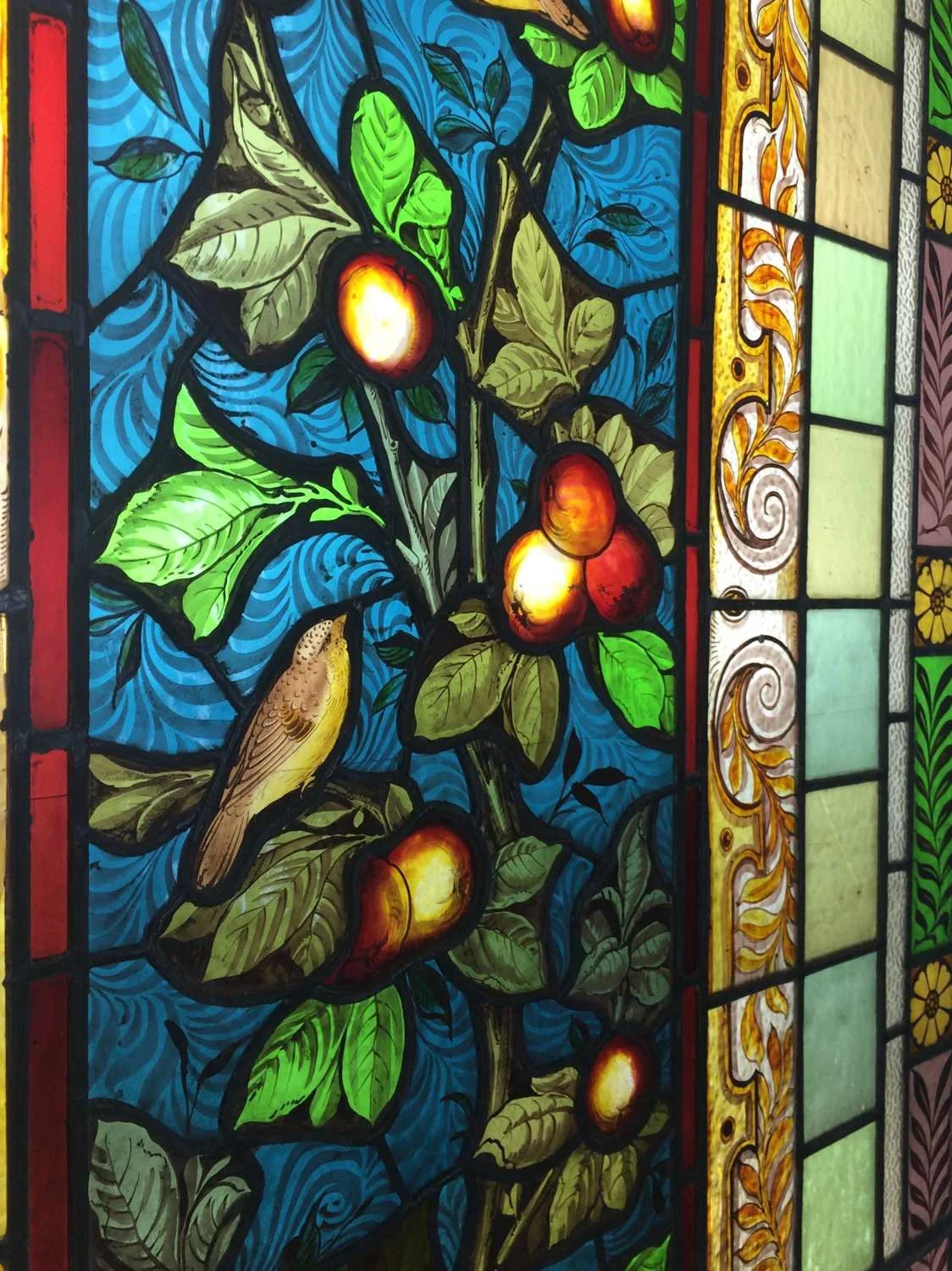
Detail Photo Reference
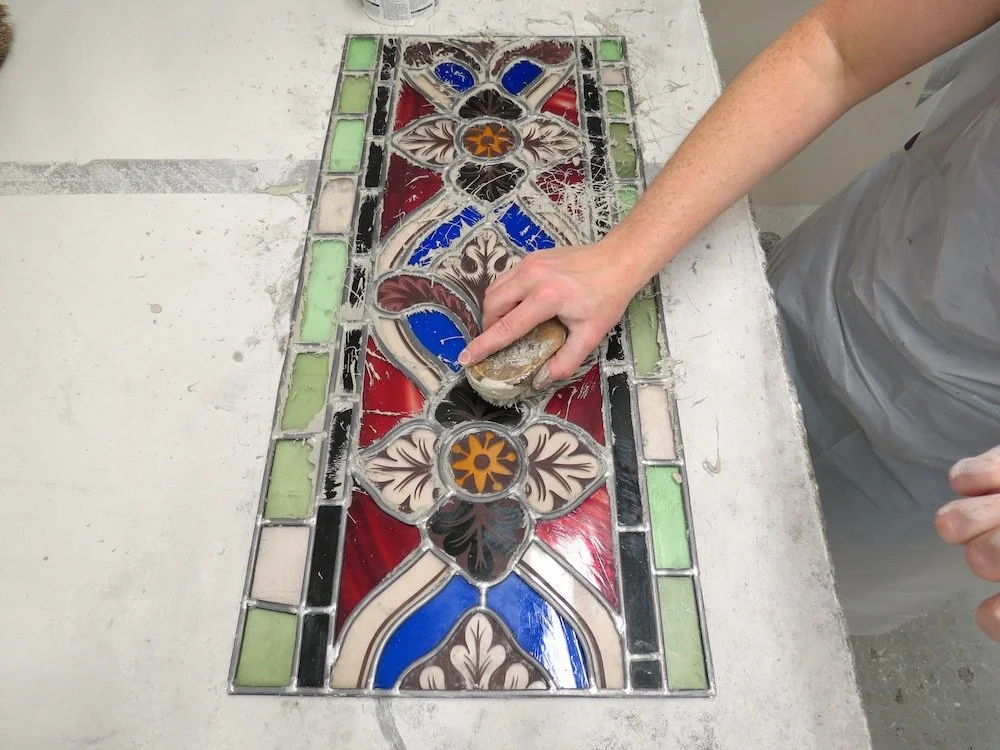
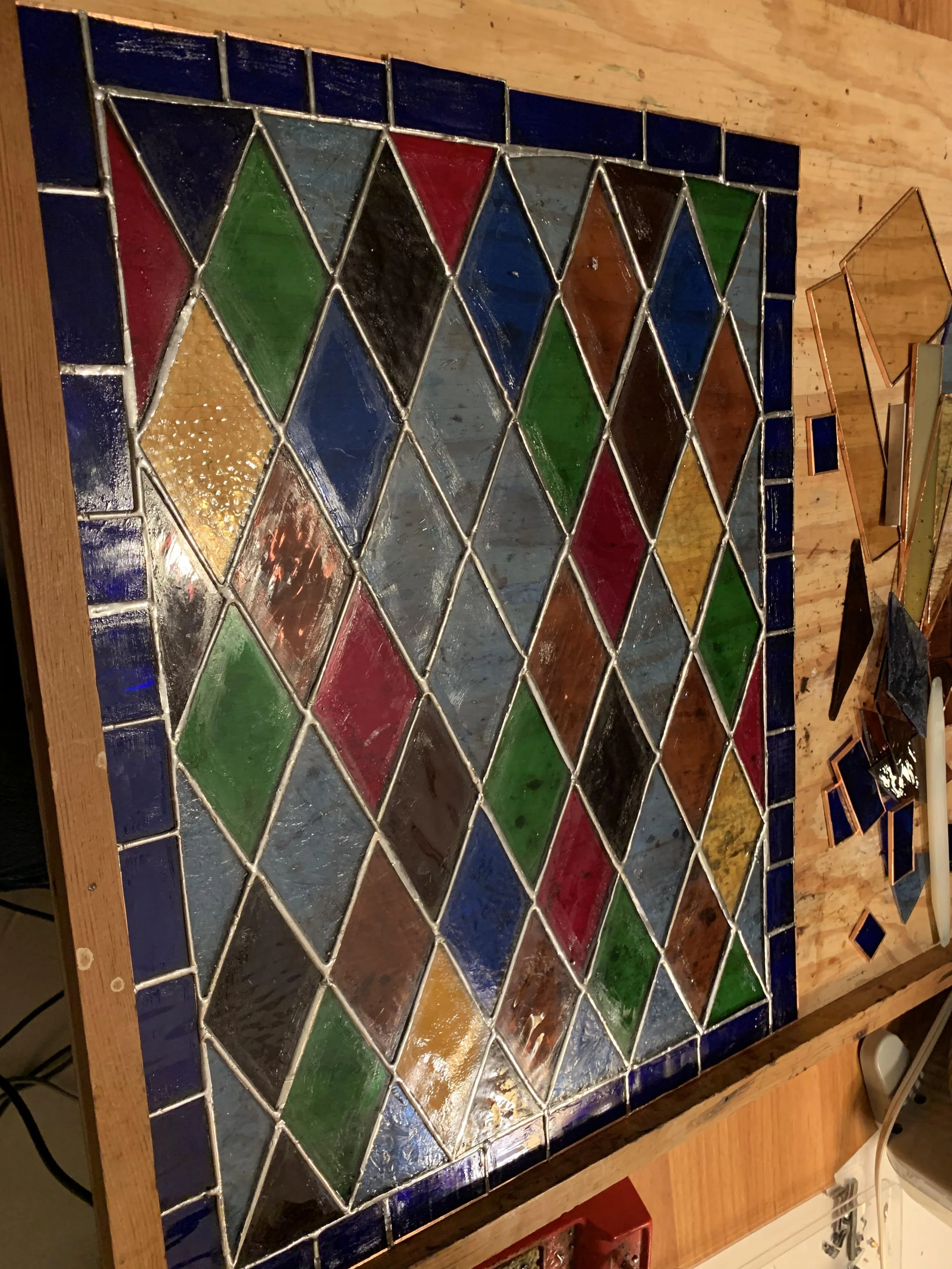
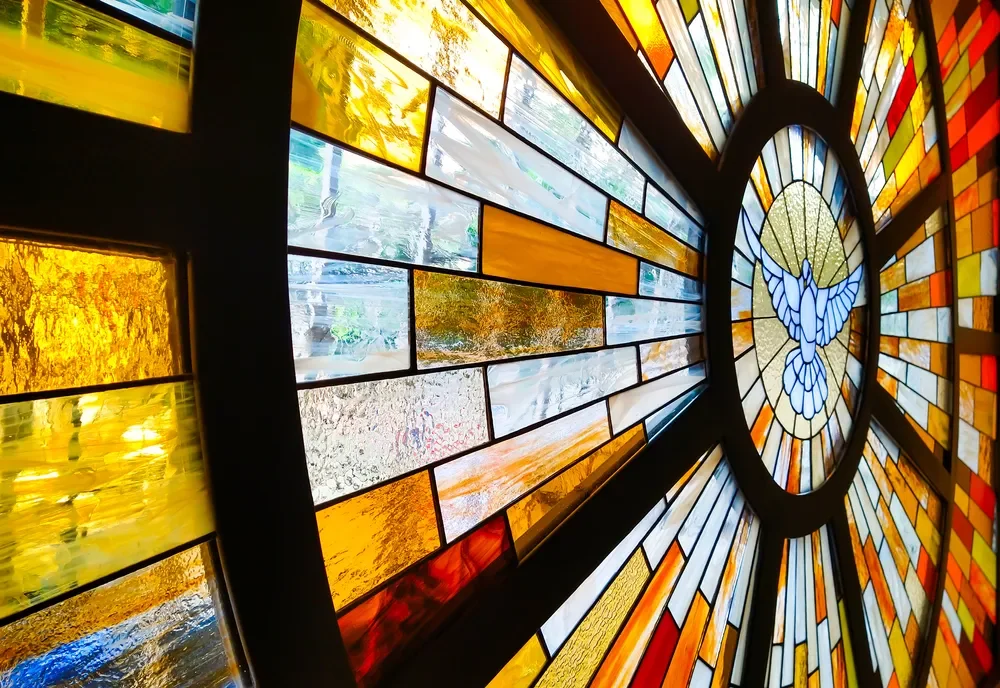
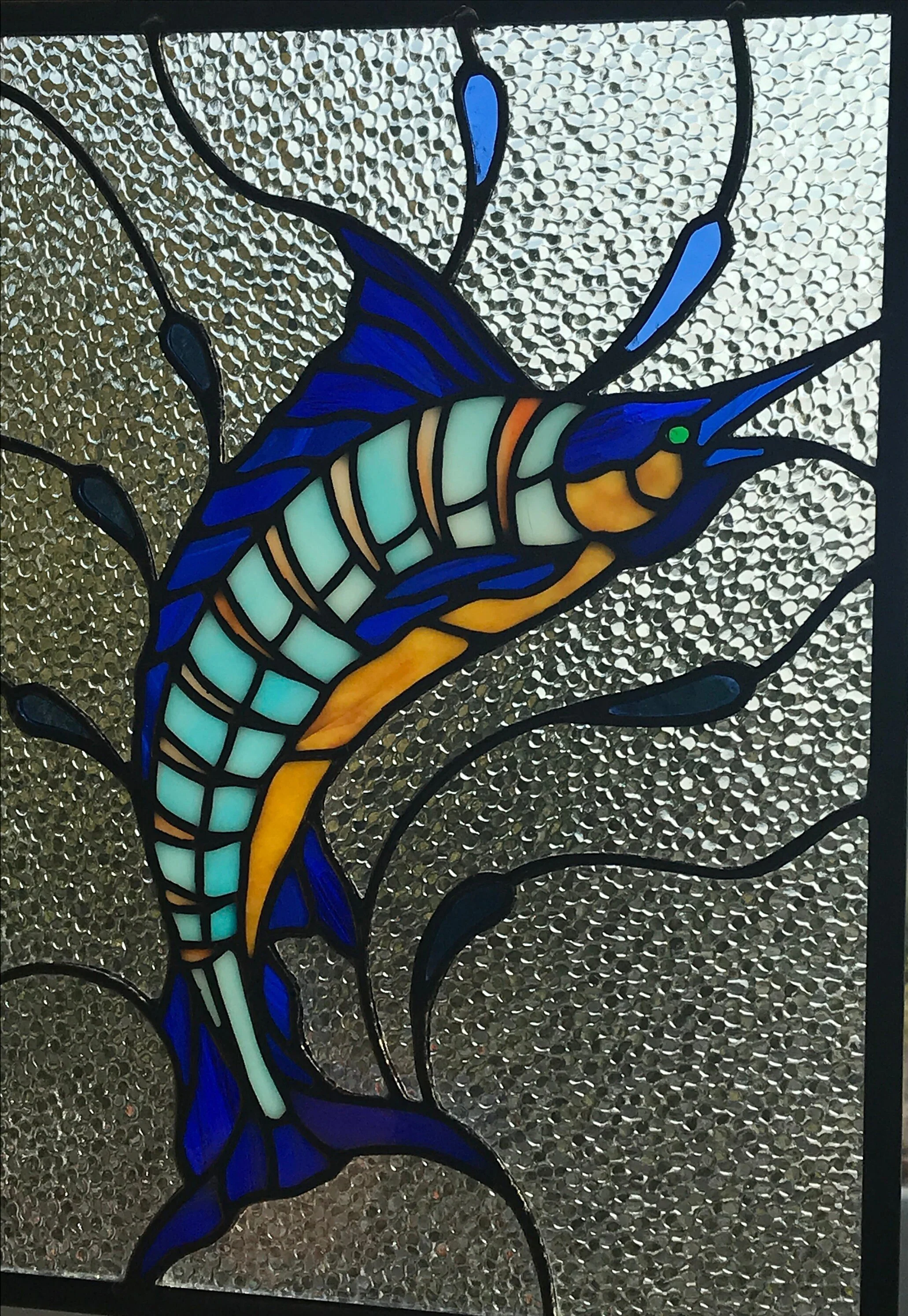
Examining Examples in Theatre
The Rosco Spectrum Blog
Angelique Powers presents the work of Rachel Reynolds in this readily available article. It is painted on the back of plexiglass with CrystalGel and Rosco Supersaturated Paints. Designed by Eugene Lee.
Texture
The dimensional leading with foam strips is effective and will show a clear difference under lights. CrystalGel was sprayed on the back of plexiglass. this gives lovely diffusion of light when backlit. The color is layered in a very smooth gradient.
Sheen
The glass has the standard gloss of plexi and the lead came is matte, though I’m not sure if it’s sealed or just the standard sheen of the foam used.
Opacity
The use of Rosco Supersat makes the color decently opaque. It has full vibrancy when frontlit and a pleasant dimmed color when backlit.
Sister Act at Ogunquit playhouse
These windows were printed on economical silk fabric as prescribed by the scenic designer, Adam Koch.
Texture
The color, especially on the vertical panels, has a nice smooth color variation. The face of the “glass” has the smoothness of silk.
Sheen
There is a subtle satin sheen to the poly silk, which is shared by the glass and the leading.
Opacity
The poly silk used is white, so the colors are all almost uniformly opaque. They have full vibrancy when front lit, but do seem to lose a lot of their color when backlit.
The Sound Of Music From Music Theatre Wichita
This was painted on plexi with, I believe, Artist Choice paints. Designed by Adam Koch.
Texture
The physical texture of this glass is tough to gauge, but is a good reminder that maybe the physical texture is not especially important on a large proscenium stage. The color has variation that especially shows when backlit. The dimensional mullions give good contrast.
Sheen
I believe the sheen was the plexi glass standard. the wood cut mullions are clearly matte.
Opacity
There is good variation in the opacity of darker colors vs. lighter colors. As we know, historically dark reds and blues were often too dark for pot metal methods and were flashed onto white glass. colors are vibrant in low light and in bright light.
The Sound of Music at Dallas Theatre Center
Texture
The “glass” has the subtle woven texture of scrim. When backlit, the color has good subtle color variation like with see in gothic stained glass, where they painted with black over the glass.
Sheen
Every part of this rose window is matte
Opacity
There is a nice variation in opacity from light colors to dark colors and the opacity on each small piece of glass seems uniform. With the scrim laid over top, it has no color when front lit and full vibrancy when back lit.
Proposed Method for Lyric’s Sister Act
Will go up in summer of 2026
Proposed method (10/24/2025)
Clear Plastic Base
we have a huge amount of ribbed polygal plastic sheeting.
Trace Leading Pattern with a permanent marker.
Back Paint
Foam Roll Crystal Gel for a subtle diffusion of light.
Front Paint
Thin Layers of CrystalGel and Dye to build up color. Potentially adding a bit of opaque white as a base for very light colors.
Final Coat a diluted Crystal gel rolled on with a long knap roller to give a soft hammered texture for the lights to play with.
seal with a semi gloss.
For the rose window, potentially complete the CrystalGel leading first, then use a condiment tube to apply color. Seems quicker than taping while avoiding brush strokes. Keep a spray bottle and a little stick around to help smooth things out.
For larger panels, potentially taping out
Lead Came with CrystalGel and ethafoam strips.
mimic soldered joints with a bit of CrystalGel
Distress and patina with paint and dye/ink. Likely sprayed with an airbrush for fine details and an HVLP for over arching distress.
For more in depth information, and to see the various sources for my research, visit